Do Tradesmen Need Expense Software?
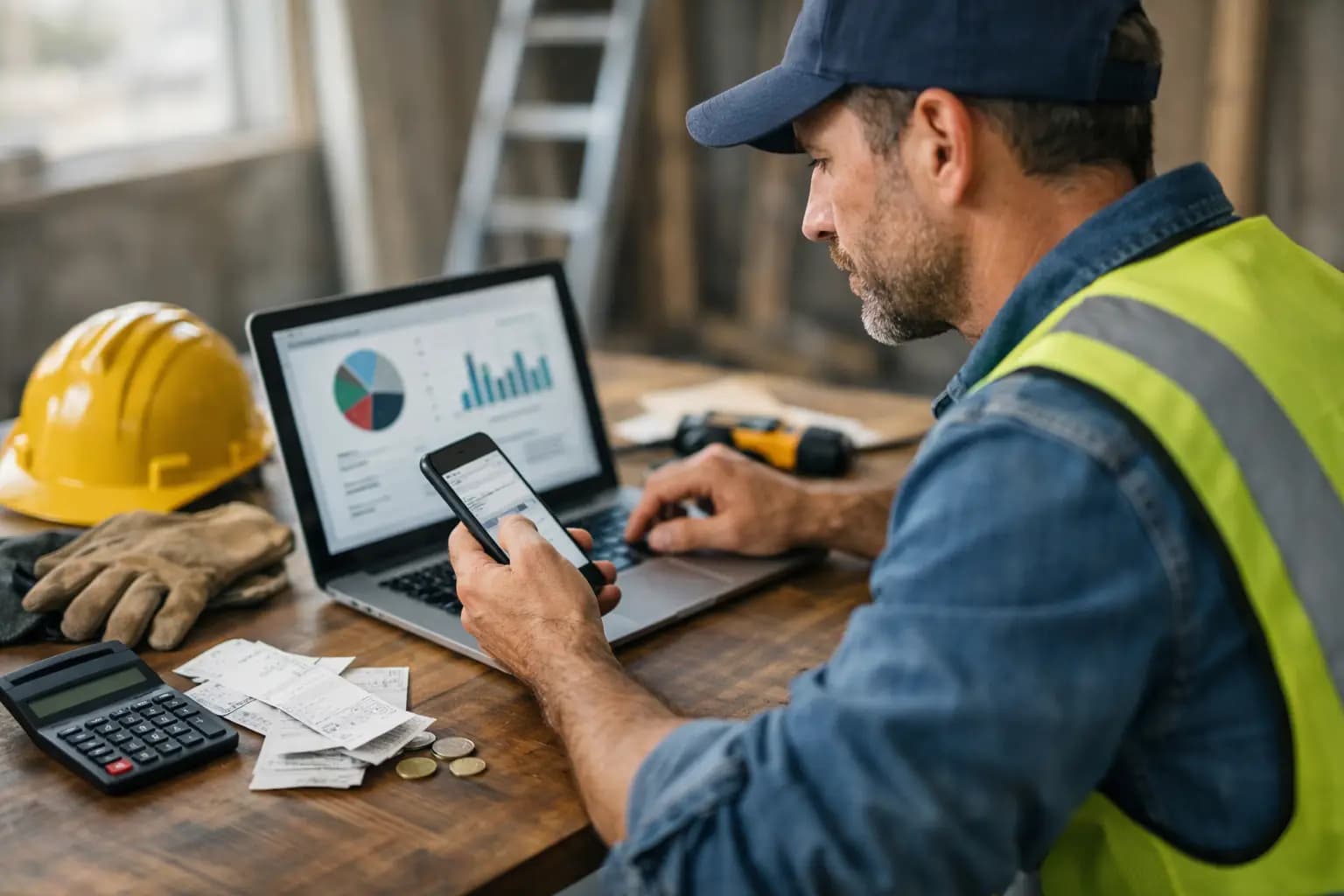
A crumpled fuel receipt in the van door pocket does not look like a problem on a Tuesday. It looks like a problem in January, when you are trying to remember what was business, what was personal, and why the numbers do not add up. That is really the question behind do tradesmen need expense software. Not whether software sounds clever, but whether it saves you time, protects your margins, and stops tax admin turning into a weekend job.
For a lot of UK sole trader tradespeople, the honest answer is yes. Not because every plumber, spark, builder or roofer needs full accounting software, but because keeping on top of expenses with paper, notes apps and carrier bags full of receipts usually breaks down once work gets busy. If you are on site all day, quoting in the evening and chasing payment in between, admin has to be quick or it does not happen.
Do tradesmen need expense software if they already keep receipts?
Keeping receipts is a start. It is not the same as having a usable record.
The problem is not just storing proof of a purchase. The problem is knowing what you spent, when you spent it, which job it related to, and whether you have actually recorded it properly for tax time. A paper receipt can fade. A photo in your camera roll can get buried under 800 site pictures. A bank statement can show a supplier payment, but not always what was bought or whether part of it was for personal use.
Expense software turns that mess into something workable. You snap the receipt, categorise it, and move on. Later, when you need to check costs or pull together figures for self-assessment, the records are there in one place rather than spread across pockets, gloveboxes and old messages.
That matters more than many sole traders realise. Small costs leak quietly. Parking, fuel top-ups, screws, blades, sealant, workwear, van bits, skip charges, merchant runs - none of them look dramatic on their own. Over a month or a quarter, they tell you whether jobs are priced properly and whether money is actually staying in the business.
Where expense software actually helps tradesmen
The best case for expense software is not finance theory. It is day-to-day reality.
Most tradesmen do not lose time because recording an expense is hard. They lose time because they put it off. Then the backlog grows. Then they need a full evening to sort it. Then they stop doing it properly.
A decent mobile-first expense tool fixes that by making the job short enough to do there and then. Standing at the merchant counter, sitting in the van, waiting for materials, parked outside the next job - that is when admin needs to happen. Not at a laptop three weeks later.
There are a few practical wins here. First, you get a clearer picture of what work is costing you. If materials, mileage, fuel and little purchases are all being tracked properly, you stop underestimating job costs. Second, you make tax prep less painful. Third, you reduce the chances of missing allowable expenses simply because the paper trail has gone missing.
There is also a cash flow angle. A lot of sole traders focus on what is coming in and pay less attention to what is going out. Expense tracking closes that gap. It shows whether a busy month was actually profitable or just expensive.
Do tradesmen need expense software or just a spreadsheet?
Some do fine with a spreadsheet. That is the fair answer.
If you are very organised, do a low volume of purchases, keep digital copies of everything and update records every week without fail, a spreadsheet can work. It is cheap, familiar and flexible. For someone doing only a handful of monthly expenses, software may feel unnecessary.
But that is not how many sole traders operate in real life. Spreadsheets rely on discipline, manual entry and decent record keeping around them. They do not capture receipts for you. They do not fit naturally into a day spent on the move. They also tend to become another admin file you promise to update later.
That is where expense software earns its keep. It removes steps. Fewer steps usually means more records captured, fewer mistakes and less catching up.
So the real comparison is not software versus spreadsheets in perfect conditions. It is software versus what actually happens when you are flat out, tired and still have tomorrow's first job to think about.
Who needs it most?
Not every trade business has the same level of need.
If you are a sole trader doing regular material purchases, driving between jobs, using subcontractors occasionally, buying tools and consumables, and handling your own tax records, expense software is usually worth having. The more moving parts you have, the more useful it becomes.
It is especially helpful for tradespeople who invoice on the go and want admin in one place. If your quotes, invoices and expenses all live separately, you lose visibility. You end up checking one app for payments, another file for costs, and a pile of receipts for tax. That is where admin starts to feel heavier than it should.
If your work is simpler - for example, very few monthly purchases, one or two regular suppliers, and strong habits around record keeping - you may be able to manage without it for now. But even then, the question is whether your current system is still good enough once work scales up.
A setup that works at ten invoices a month can fall apart at thirty.
What should tradesmen look for in expense software?
This is where people often go wrong. They start shopping for accounting software when what they really need is quicker admin.
For a sole trader in the trades, good expense software should first work properly on a phone. That sounds obvious, but plenty of tools are still built like desktop accounting systems shrunk onto a small screen. If it is clunky on mobile, you will not use it consistently.
It should also make receipt capture fast, let you categorise spending without any faff, and give you a simple view of where money is going. If self-assessment is part of your annual pain, then export-ready figures matter too. The goal is not to become a bookkeeper. The goal is to stay on top of records with the least effort possible.
There is a strong case for using a tool that combines expenses with invoicing and quotes as well. That is often the sweet spot for sole trader tradespeople. One place for money in, money out, and what is still outstanding. No bloated accounting package. No feature jungle. Just the bits you actually need.
That is the logic behind platforms like TradeTally - built for vans, sites, and short evenings rather than accounting exams.
The trade-off: software helps, but it will not fix bad habits on its own
There is one thing worth saying plainly. Expense software is not magic.
If you never log purchases, never review your records and leave everything until year end, software will not rescue that. It makes the job easier, faster and tidier, but you still need a basic habit of using it. The good news is that once the process takes seconds instead of half an hour, that habit is much easier to keep.
There is also the cost question. Some tradesmen hear "software subscription" and assume it is another monthly bill they do not need. That depends on what you compare it to. If a low-cost tool saves a few hours a month, helps you claim legitimate expenses properly and gives you a cleaner tax record, it can pay for itself quite quickly. If it also helps you stay on top of invoicing and cash flow, the value is bigger than expense tracking alone.
Still, if your business is tiny and your current system is genuinely under control, there is no rule saying you must adopt software immediately. The smarter question is whether your system is reliable, quick, and good enough for HMRC records when things get busy.
So, do tradesmen need expense software?
Many do. Not because they need more tech, but because they need less admin friction.
If your current method means lost receipts, late-night catch-up, patchy cost tracking or tax return dread, then expense software is not a luxury. It is a practical fix. If your records are already spotless and easy to maintain, you may be fine without it - for now.
The simplest test is this: can you see your business expenses clearly, record them as they happen, and pull together accurate tax figures without stress? If not, software is probably the cheaper option than carrying on with a system that keeps costing you time.
The best admin tools for tradesmen are not the ones with the most features. They are the ones you will actually use between jobs, with dirty hands and five minutes to spare.
Ready to sort your trade admin?
TradeTally gives UK sole traders invoicing, expenses, and SA103F-ready tax exports in one mobile-first app.
Start 14-day Pro trial →No card required