Best Xero Alternative for Sole Traders
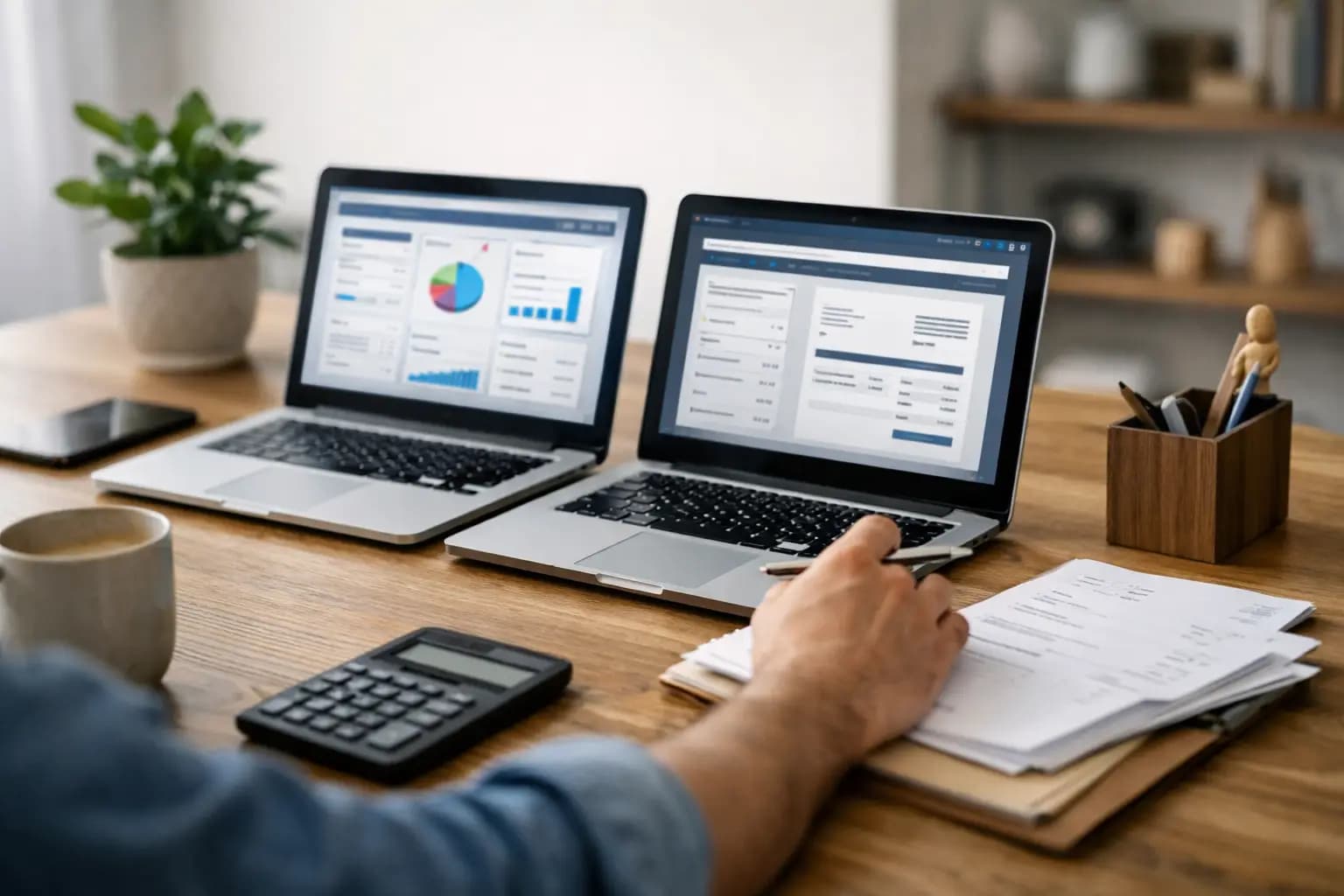
If your bookkeeping app feels like office software dressed up as help, that is usually the first sign it is the wrong fit. For many tradespeople, the search for a xero alternative for sole traders starts when invoicing gets left until Sunday night, receipts pile up in the van, and the software still expects you to think like an accountant after a full day on site.
That is the real issue. Most sole traders in the trades do not need a finance system built for growing teams, layered permissions, or detailed reporting they will never look at. They need to send quotes fast, turn jobs into invoices without retyping everything, track expenses before receipts disappear, and have a clear view of what is due in and what is overdue. They also need something that does not cost more than it should.
What makes a good Xero alternative for sole traders?
A good alternative is not just cheaper. It has to suit the way sole traders actually work.
If you are a plumber, electrician, builder or roofer, your day is not spent at a desk. You are between jobs, in merchants, on ladders, in traffic, or trying to get home at a decent time. Software that assumes you will sit down for an hour every evening to keep things tidy is already working against you.
That is why the best option is usually the one that cuts admin down to the jobs that matter. Can you create and send a branded invoice from your phone in a minute or two? Can you photograph a receipt there and then? Can you see which invoices are outstanding without digging through menus? Can you get your figures together for self-assessment without exporting half your business into spreadsheets?
For sole traders, those basics matter more than a long feature list. More features can sound better, but they often bring extra setup, more screens, and more chances to put the whole thing off.
Why some sole traders move away from Xero
Xero is a capable platform. For limited companies, growing firms, or businesses with a bookkeeper handling the detail, it can make sense. That is the trade-off. Capability is not always the same as suitability.
A sole trader plasterer or bathroom fitter might only need quoting, invoicing, expenses, and a clean record for tax time. If that is your setup, broader accounting software can feel too heavy for the job. You pay for depth you may not use, and you still have to work around a system that was not built first and foremost for someone running a business from a phone.
There is also the question of speed. When admin gets fiddly, it gets delayed. Delayed invoicing slows cash flow. Unlogged expenses get forgotten. Tax prep turns into a stressful catch-up exercise. None of that happens because sole traders are careless. It happens because the system asks for too much time at the wrong time.
The features that actually matter on site
When comparing any xero alternative for sole traders, it helps to ignore the shiny extras for a minute and look at the day-to-day reality.
Mobile use should come first. Not as a bonus, but as the main way the tool is meant to be used. If creating quotes, sending invoices, uploading receipts and checking what is unpaid feels clunky on a phone, that is a problem straight away.
Invoicing speed matters just as much. A tool should let you build a quote quickly, convert it into an invoice when the job is done, and send it while you are still in the van. That is how you get paid sooner. If you have to wait until later, later often becomes tomorrow.
Expense tracking needs to be simple enough that you will actually do it. That means snapping receipts when you get fuel, materials or small tools, not keeping a pocket full of paper until the end of the month.
Cash flow visibility is another one. You should be able to open the app and know what has been paid, what is overdue and what is still in the quote stage. Sole traders do not need a finance dashboard built for board meetings. They need a quick read on what money is moving and what needs chasing.
Then there is tax. For UK sole traders, the practical question is whether the software helps you keep your records clean enough for self-assessment. Not whether it gives you twenty accounting reports, but whether it gets your numbers where they need to be without hassle.
Cheaper is good. Better fit is the real win.
Price matters, especially when you are watching every outgoing. But the cheapest software is not always the best value if it creates extra work.
The right software earns its keep by saving time and helping you get paid faster. If it cuts an hour or two of admin each week, reduces missed expenses, and helps you invoice on the same day instead of three days later, that has a real value. For sole traders, a better fit usually pays back more than a slightly lower monthly fee ever could.
That said, plenty of broader accounting platforms are priced as if every small business has the same needs. They do not. A sole trader decorator working alone has a very different setup from an agency with payroll, departments and monthly management accounts. Paying for features built for someone else rarely feels worthwhile for long.
When a simpler alternative is the smarter choice
There is a point where software stops being professional and starts being overkill.
If you are VAT registered, employ staff, need deeper accounting controls, or work closely with an accountant inside the same system every week, a fuller accounting package may still be the better route. That is worth saying plainly. It depends on how your business is set up.
But if you are a sole trader who mainly wants to quote, invoice, log expenses and stay ready for tax time, a simpler tool can be the smarter move. Especially if you work on site all day and want everything handled from your phone.
That is where trade-focused software stands out. Instead of trying to be everything for every type of business, it focuses on the jobs sole traders actually need to get done. Fast invoice creation. Easy receipt capture. Clear pipeline tracking. Straightforward tax exports. No accounting exam required.
What to check before switching
Before picking an alternative, think about the points where your current setup slows you down.
Are invoices taking too long to create? Are quotes and invoices disconnected? Are you still typing up receipts later? Do you struggle to see what customers owe you? Does tax prep feel like a box of mixed paperwork every January?
Those pain points tell you what matters most. Once you know that, compare software based on workflow, not on feature count.
A free trial helps here, but only if you test real jobs. Create a proper quote. Turn it into an invoice. Upload a few receipts. Check how quickly you can find unpaid invoices. If it feels simple when you are busy, it is probably a good fit. If it still feels like admin software for office people, it probably is.
A trade-first option for UK sole traders
For tradespeople who want a xero alternative for sole traders without the extra weight, TradeTally is built around the actual day. Vans, sites, short evenings, and a low tolerance for faff. It covers the core jobs that matter - invoicing, quoting, expense tracking, receipt capture, cash flow visibility and self-assessment export - without dragging you into bookkeeping complexity you did not ask for.
That focused approach matters. You are not trying to run a finance department. You are trying to run jobs, keep money coming in, and stay on top of HMRC records without wasting half your week on admin. A tool made for that job will nearly always beat one made for everyone.
The best software is the one you will actually use
This is the bit people often miss. The best accounting or invoicing tool is not the one with the longest list of features. It is the one that fits how you work well enough that you use it consistently.
For sole traders in the trades, that usually means mobile-first, quick to learn, easy to keep up to date, and priced sensibly. It should help you send invoices before you forget, capture expenses before they vanish, and keep your tax records in shape without turning your evenings into paperwork sessions.
If your current software feels too big, too fiddly or too expensive for what you actually need, that is not a minor annoyance. It is a sign the setup does not match the job. Choose the tool that works where you work, and the admin gets lighter from day one.
Ready to sort your trade admin?
TradeTally gives UK sole traders invoicing, expenses, and SA103F-ready tax exports in one mobile-first app.
Start 14-day Pro trial →No card required