How to Turn Quotes Into Invoices Fast
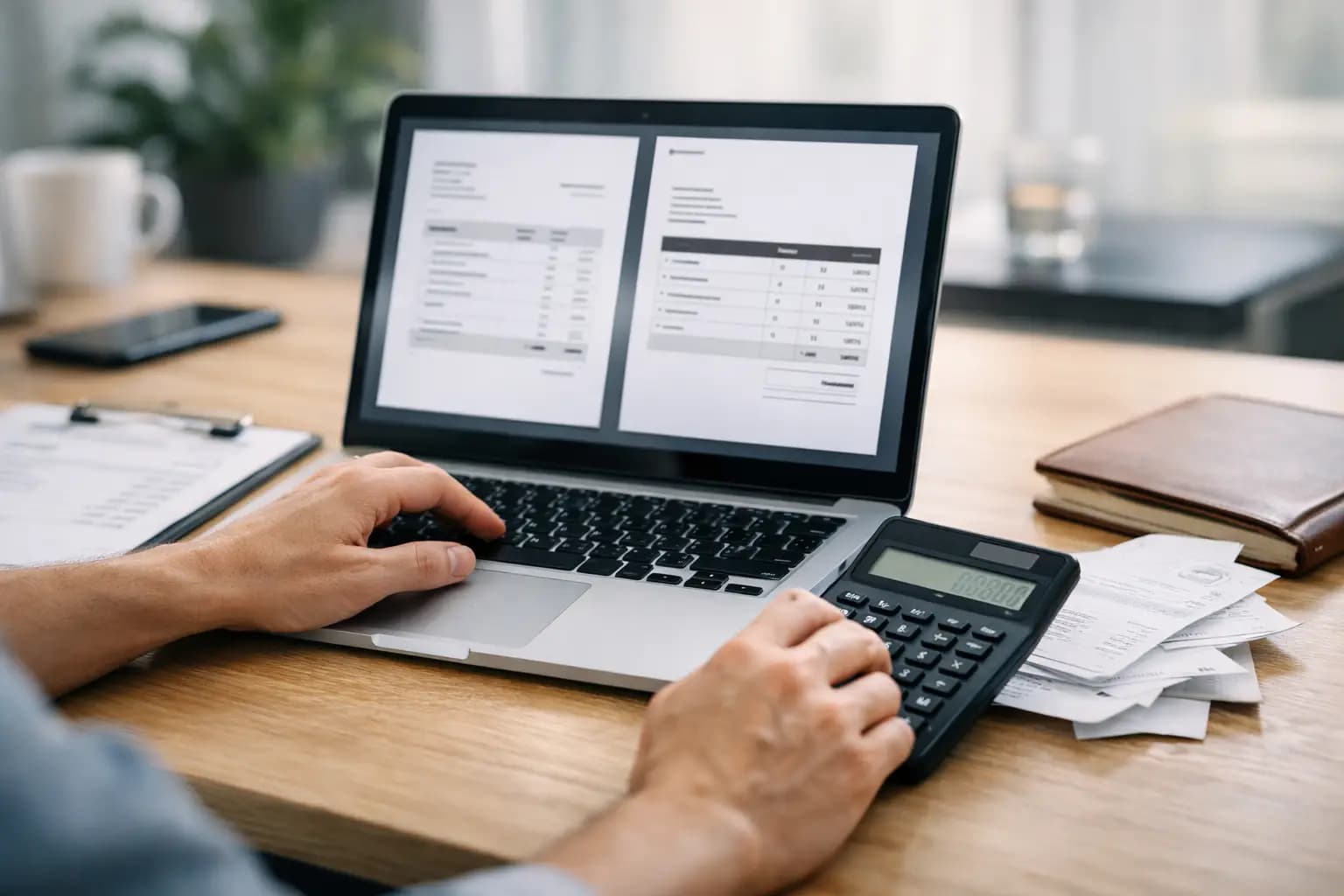
A job gets approved at 10:14. You finish the first fix, grab materials, answer two missed calls, then head to the next site. By the time you sit down that night, the quote is still a quote, the invoice is still not sent, and payment has already been delayed by a day. That is why the ability to turn quotes into invoices quickly matters so much when you work for yourself.
For sole trader tradespeople, quoting and invoicing should not feel like two separate admin jobs. If you have already priced the work, listed the labour, added materials and agreed the total, most of the hard part is done. Re-entering the same details later is wasted time, and it is one of the easiest ways to create mistakes, miss extras or simply put billing off until the weekend.
Why turn quotes into invoices matters
On paper, converting a quote into an invoice sounds like a small admin shortcut. In practice, it changes how fast you get paid.
When the quote becomes the starting point for the invoice, you cut out duplicate typing, reduce the chance of wrong figures and keep the job moving from approved to paid without gaps. That gap is where cash flow problems usually start. Not because the work was not done, but because the paperwork lagged behind the work.
This matters even more on jobs that move quickly. A bathroom fitter might quote on Monday, start on Wednesday and be ready to invoice for a deposit or stage payment the same week. An electrician might send three small domestic quotes in one day and only win two of them. If the accepted ones are easy to convert, there is less chance they get buried under the rest of the week's work.
The real problem with separate quoting and invoicing
Most trades do not struggle with pricing jobs. They struggle with finding the time to revisit jobs once the work has already started.
If your quote lives in one place, your notes in another, and your invoice gets typed up from scratch later, the process depends on memory. That is risky. You forget the extra sockets, lose track of the call-out fee, or send the invoice with an old material price that no longer matches what was agreed.
It also slows you down when customers ask questions. If a client says, “Can you break down what this covers?” you want the answer there already, not hidden in a notebook in the van.
Turning quotes into invoices fixes a lot of that because the original scope, price and customer details carry through. You are not rebuilding the job admin after the work is done. You are just moving it to the next stage.
How to turn quotes into invoices without creating more work
The best process is simple. Build the quote properly at the start, then convert it once the customer says yes.
That means your quote needs to do more than give a rough total. It should include clear labour lines, materials where needed, payment terms, and any notes that protect you later if the job changes. If the quote is vague, the invoice will be vague too. If the quote is clear, the invoice is mostly ready before you even start the job.
Start with a quote you can actually use later
A rushed quote often creates more admin than it saves. If you send “Fit new radiator - £450” and nothing else, that might win the work, but it gives you very little to carry into the invoice.
A better quote sets out what is included, whether the price includes materials, and whether there are stages or deposits. It does not need to read like a contract for a loft conversion, but it should be clear enough that both you and the customer know what is being billed.
That is especially useful on variable jobs. Builders, roofers and landscapers often deal with work that changes once things are opened up. In those cases, the original quote can still become the invoice, but only if it leaves room for agreed variations rather than pretending every job runs exactly to plan.
Convert as soon as the job reaches a billing point
Some trades wait until the whole job is complete before raising anything. Sometimes that is fine. Sometimes it hurts cash flow for no good reason.
If the work needs a deposit, invoice from the accepted quote straight away. If it is a longer job, convert the relevant part into a stage invoice when that stage is done. If it is a same-day job, send the invoice before you leave the drive if possible.
The point is not to invoice aggressively. It is to invoice while the job is current, the details are fresh and the customer is still engaged.
Adjust only what has genuinely changed
When you turn quotes into invoices, the main benefit is speed. You lose that benefit if you treat the conversion as a chance to rewrite everything.
Keep the customer details, line items and agreed pricing where they still apply. Then edit only the parts that changed. Maybe the customer added a second extractor fan. Maybe materials came in higher and they approved the difference. Maybe a provisional amount was not needed after all.
That approach keeps your records tidy and gives the customer a straight line from quote to invoice. People are far less likely to argue with a bill when it clearly follows what they already approved.
Where tradespeople get caught out
There is a catch. Not every quote should become an invoice untouched.
If the scope changed, the invoice needs to reflect that. If the customer approved extras by text or on site, add them properly. If the original quote was accepted months ago and prices shifted, you need to be sure any increase was agreed before billing it.
This is where a lot of friction starts. The issue is not usually the invoice itself. It is weak record-keeping between quote and job completion.
For example, a carpenter might quote for hanging six doors, then get asked to fit new handles and sort architraves while on site. If those additions are not recorded, the final invoice can feel inflated to the customer even when the work was done. The fix is simple - log changes when they happen, not three Fridays later.
Why mobile matters when you turn quotes into invoices
Most sole traders do not have a finance team. They have a phone, a van seat and about twenty minutes at the end of the day if they are lucky.
That is why this process works best when it is mobile-first. If you need to wait until you are back at a laptop to turn quotes into invoices, you are more likely to leave it. Once that admin slips, it stacks up fast.
A mobile setup lets you approve a quote, convert it, send it, and move on while the job is still live in your head. That does not just save time. It reduces mental clutter. You are not carrying around a list of half-finished admin while trying to get through actual paid work.
TradeTally is built around exactly that reality - vans, sites and short evenings, not accounting exams.
Better records, fewer tax headaches
There is another benefit that gets missed. When your quotes and invoices follow the same thread, your records are cleaner.
That matters at year end. If you have a clear trail from estimate to final bill, it is easier to check what was quoted, what was billed and what actually got paid. You spend less time sorting through screenshots, notebooks and old emails trying to work out whether a job was invoiced properly.
For UK sole traders, clean records are not just nice to have. They make self-assessment less painful. You still need to track expenses and income properly, but a joined-up quoting and invoicing process removes one big area of mess.
A sensible process for busy trades
If you want this to work in real life, keep the process tight. Create quotes with enough detail to invoice from later. Convert accepted quotes as soon as there is a billing point. Record changes as they happen. Keep the invoice close to the agreed scope so the customer sees what they are paying for.
There are trade-offs. A tiny reactive job may not need detailed line-by-line quoting. A bigger renovation probably does. Some customers want a simple one-page figure, while commercial clients may expect more detail. It depends on the type of work, the size of the job and how likely the scope is to shift.
But the general rule holds up well. The less you retype, the less you forget. The less you forget, the faster you bill. And the faster you bill, the less your money sits in someone else's bank account.
Good admin does not need to be fancy. It just needs to keep up with the pace of the job. If your quote already has the bones of the invoice, you are not doing paperwork twice. You are just finishing the job properly.
Ready to sort your trade admin?
TradeTally gives UK sole traders invoicing, expenses, and SA103F-ready tax exports in one mobile-first app.
Start 14-day Pro trial →No card required