7 Best Apps for Trade Invoices
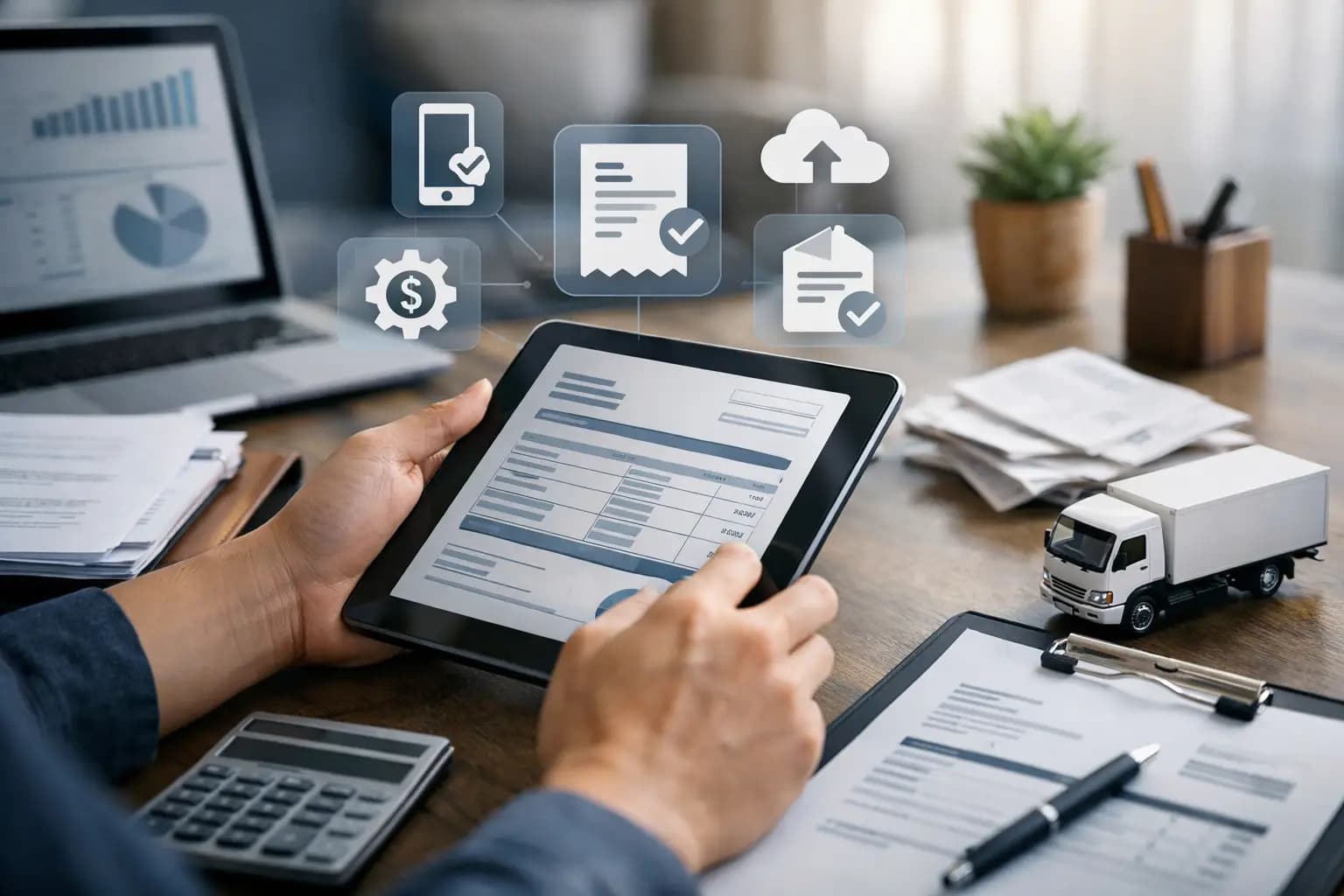
If you are still sending invoices at 9.30pm from the sofa, chasing photos of job sheets, and trying to remember what you charged last Tuesday, the best apps for trade invoices can buy you back a lot of time. The right one does not just send a bill. It helps you quote faster, invoice before you leave site, keep track of what is paid, and stay on top of expenses without turning your evenings into bookkeeping shifts.
For sole trader tradespeople in the UK, that matters more than feature-packed dashboards ever will. Most plumbers, electricians, builders, carpenters and roofers do not need a finance department in their pocket. They need something that works with dirty hands, patchy signal, van-based days, and the reality that admin usually happens when you are already knackered.
What makes the best apps for trade invoices?
A good invoice app for trades has to do three things well. First, it needs to be fast on mobile. If creating and sending an invoice takes ten minutes and six menus, you will put it off. Second, it needs to give you a clear view of who owes what. Third, it should fit how sole traders actually work, which means quotes, receipts, expenses and tax records all matter too.
That is where a lot of general accounting software falls short. It can be powerful, but it often feels built for people at desks. Tradespeople usually need fewer features, less setup, and more speed. The best option depends on whether your priority is simple invoicing, full bookkeeping, or an all-in-one admin tool that covers the basics without the faff.
1. TradeTally
TradeTally is built specifically for UK sole trader tradespeople, and that focus shows. You can create branded invoices from your phone, track expenses, capture receipts, manage quotes, and keep an eye on what is outstanding without wading through accounting menus you will never use.
The biggest strength here is fit. It is made for people working on site, in vans, and in short evening slots. That means the app leans into speed and clarity rather than trying to be a full finance system for larger businesses. If you want to send invoices quickly, see your invoice pipeline, and get your records ready for self-assessment, it covers the main jobs in one place.
It is also priced with sole traders in mind, starting at £19 per month, which makes it noticeably cheaper than many broader platforms. The trade-off is that it is not trying to replace every accounting function under the sun. For most self-employed trades, that is a benefit, not a weakness.
2. Xero
Xero is one of the best-known names in small business accounting, and it does invoicing well. You can send professional invoices, track payments, connect your bank feed and manage a wider range of accounts tasks than most trade-focused apps offer.
If you want a full accounting platform and do not mind spending time learning it, Xero is a serious option. It can suit sole traders who already work with an accountant who prefers that setup, or who expect to grow into a more detailed finance system.
The downside is complexity and cost. For many tradespeople, it is more software than they need. You may end up paying for depth you never use while still having to battle through a system that was not really built for life on site.
3. QuickBooks
QuickBooks sits in a similar lane. It offers invoicing, expense tracking, mileage, bank feeds and reporting, all wrapped into a broader accounting package. It is widely used, well-established, and can work well if you want your invoicing tied closely to your bookkeeping.
For trades, the question is not whether it works. It does. The question is whether it works the way you want to. Some sole traders will like having everything in one recognised platform. Others will find it too accounting-heavy for the day-to-day reality of getting a quote approved, doing the job, and sending an invoice before driving to the next one.
It is worth considering if you already know the system or need deeper reports. If your main pain point is just getting invoices out faster, it may feel heavier than necessary.
4. Zoho Invoice
Zoho Invoice is often attractive because it is simple to use and, depending on your needs, can be cost-effective. It covers core invoicing functions well, with templates, reminders and client tracking. For sole traders who mainly want a straightforward billing app, that can be enough.
Where it can fall short for trades is context. It is a general invoicing tool rather than something built around site work, expenses on the go, and UK self-assessment prep. You may find yourself stitching together other tools for receipts, quoting or tax records.
That does not make it a bad choice. It just means it is better for simple invoicing than for running trade admin end to end.
5. Invoice Simple
Invoice Simple does what the name suggests. It is geared around quick invoice creation, and that is useful if your current system is basically scribbled notes and late-night typing. The app is easy to pick up, and you can create polished invoices without much setup.
This can suit sole traders who want the lightest possible tool and are not too bothered about broader business admin. If your only goal is to send clean invoices and look more professional than a Word document, it ticks that box.
The trade-off is that it is narrower in scope. Once you want quote management, expense capture, payment visibility or tax-friendly record keeping, you may hit the limits fairly quickly.
6. Bookipi
Bookipi is another mobile-friendly invoicing app that aims to keep things simple. It offers invoicing, estimates and basic business tracking in a format that works well on a phone. That makes it more practical than many desktop-first systems.
For newer sole traders, especially those who want low setup and a gentler learning curve, it can be a decent stepping stone. You can get invoices out quickly and keep things moving without a big software commitment.
Still, there is a difference between mobile-friendly and trade-built. If your work regularly involves collecting receipts from merchants, juggling quotes, and preparing for HMRC without a pile of manual sorting later, a more focused trade app may save more time in the long run.
7. Sage Accounting
Sage has been around for years and gives you a solid accounting-and-invoicing package. It is credible, established and capable, especially if you want a stronger accounting backbone and the reassurance of a familiar brand.
Like Xero and QuickBooks, though, its biggest strength can also be its drawback. It is broader than many sole trader trades actually need. If you are running a modest operation and mainly care about invoicing, expenses and seeing what is due, Sage can feel like bringing a full tool chest to tighten one loose hinge.
For some, that is fine. For others, it creates extra admin rather than removing it.
How to choose between invoice apps
The best app depends on what is slowing you down now. If you are late sending invoices, prioritise speed on mobile. If cash flow is the problem, look for clear status tracking, reminders and visibility over unpaid work. If tax season is where it all falls apart, choose something that also handles expenses and keeps your records tidy throughout the year.
It is also worth being honest about how much software you are willing to tolerate. Plenty of tradespeople buy into feature lists and then never use half the system. A leaner app that you actually use every day is usually worth more than a powerful one you keep avoiding.
When a simple invoicing app is enough
If your business is small, your expenses are limited, and you already have another way of handling tax records, a simple invoice app can do the job. You will get invoices out faster and look more professional without overcomplicating things.
When you need more than invoicing
If you are quoting regularly, losing receipts, forgetting who has paid, or scrambling at self-assessment time, invoicing alone is not enough. In that case, look for a tool that joins up the basics. That usually saves more time than juggling separate apps.
A straight answer for UK sole traders
If you want the best apps for trade invoices, there is no single winner for every business. Xero, QuickBooks and Sage are strong if you want broader accounting. Zoho Invoice, Invoice Simple and Bookipi are decent if you want lightweight billing.
But for UK sole trader tradespeople who want fast invoicing, expense tracking, quotes and self-assessment-ready records in one mobile-first setup, a trade-specific option makes more sense. Software should fit the job. If it is built for vans, sites, and short evenings, you are far more likely to use it properly.
Pick the app that removes work from your day, not one that adds another layer of admin dressed up as control. That is usually the difference between an app you trial and forget, and one that quietly keeps your business tighter month after month.
Ready to sort your trade admin?
TradeTally gives UK sole traders invoicing, expenses, and SA103F-ready tax exports in one mobile-first app.
Start 14-day Pro trial →No card required