What Must a Sole Trader Invoice Include?
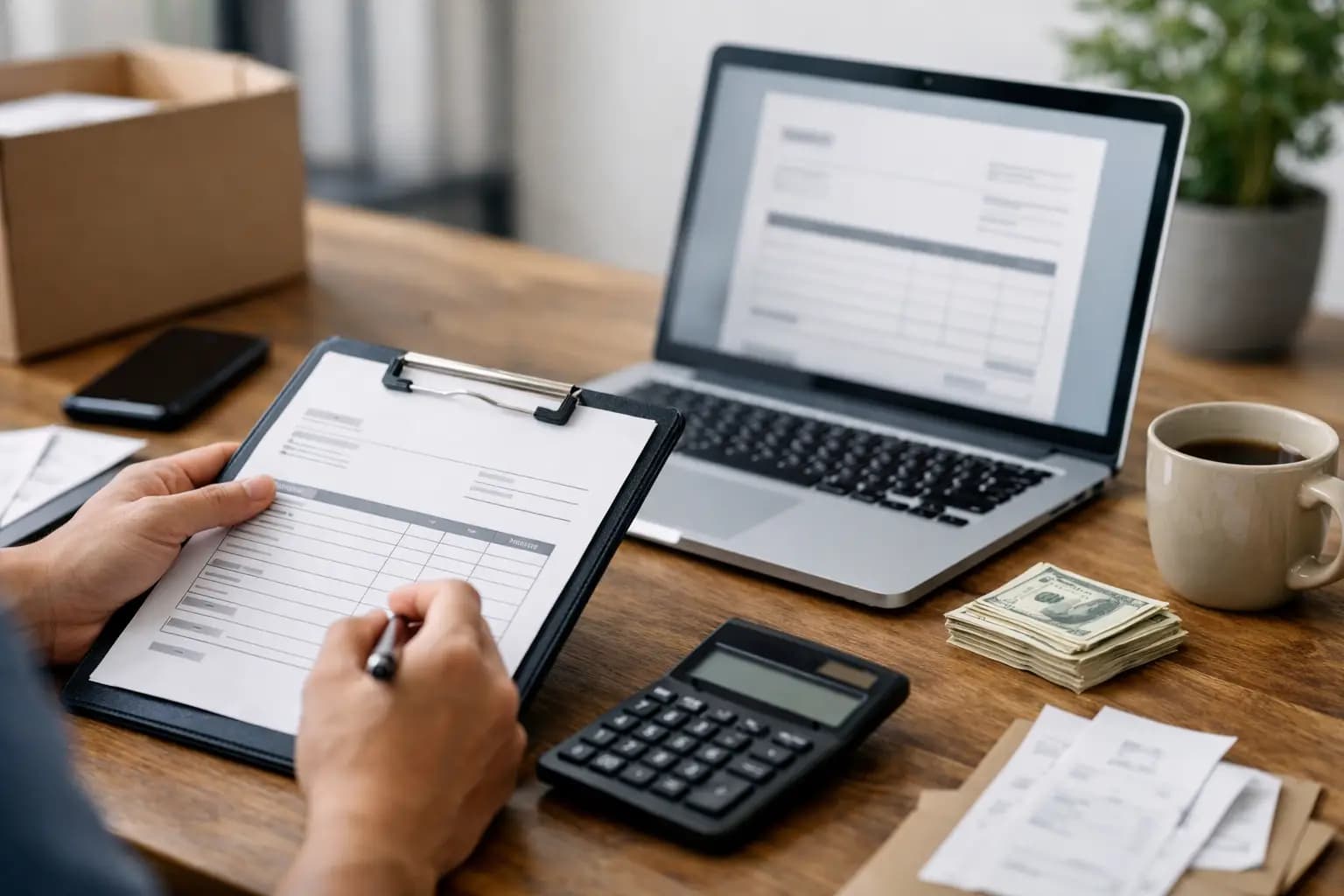
Finish a job, send a vague invoice, then wait two weeks while the customer asks who it’s from, what it covers, and when they’re meant to pay. That is usually how payment delays start. If you are wondering what must a sole trader invoice include, the short answer is enough detail to make the bill clear, professional, and easy to pay without back-and-forth.
For UK sole traders, that matters more than people think. A proper invoice is not just a bit of admin for the evening. It is part payment request, part record for your accounts, and part proof of what was agreed. If key details are missing, you make life harder for the customer, for yourself, and later on, for your tax return.
What must a sole trader invoice include in the UK?
At a practical level, a sole trader invoice should clearly show who is charging, who is being charged, what work was done, how much is owed, and when payment is due. If you are VAT registered, there are extra rules. If you are not VAT registered, keep it simple and do not add VAT.
For most sole traders in the trades, that means every invoice should include your business name or your own name, your business address, and contact details such as a phone number or email. It should also have a unique invoice number, the invoice date, and the customer’s name and address.
Then comes the part customers actually check. Describe the work or materials supplied in plain English. “Labour” on its own is weak. “Supply and fit kitchen tap” or “First fix electrics for rear extension” is better. Add the date the work was carried out if relevant, especially for staged jobs, day work, or repeat customers.
You also need the amount due. If you bill line by line, show each item and the price. If you charge a fixed quote price, show that clearly. Add up the total properly and make the payment terms obvious. If payment is due in seven days, say seven days. If it is due on receipt, say that. If you accept bank transfer, include your bank details.
The details that make an invoice work
A lot of sole traders think the legal minimum is enough. Sometimes it is. But there is a difference between an invoice that technically exists and one that gets paid fast.
Your name matters because the customer needs to recognise who is billing them. If you trade under your own name, use that. If you use a trading name, include it clearly. Many sole traders also add “Sole Trader” where appropriate, simply to avoid confusion with limited companies.
The invoice number is another one people skip or make up badly. Do not send three different invoices all called “Invoice 1”. Use a clear sequence, such as 001, 002, 003, or a dated format if that suits how you work. It keeps your records tidy and makes it easier to chase payment without arguments over which invoice you mean.
Descriptions should be specific enough that the customer can match the bill to the job. This is especially useful if you work for landlords, contractors, or property managers who approve several jobs each week. A short, accurate description saves phone calls later.
Payment terms also deserve more attention than they get. If you never state a due date, some customers will assume they can pay whenever suits them. A clear due date sets expectations. It will not stop every late payer, but it removes the excuse that they did not know.
If you are VAT registered, the rules change
This is where “what must a sole trader invoice include” depends on your setup. Being a sole trader does not automatically mean you charge VAT. You only add VAT if you are VAT registered.
If you are VAT registered, your invoice must include your VAT registration number. You should also show the VAT amount being charged. Depending on how you invoice, that may mean showing the net amount, the VAT rate, and the VAT total, followed by the gross total.
If you are not VAT registered, do not add VAT lines to look more official. It is not a branding exercise. It has to reflect your real status. Charging VAT when you are not registered creates problems you do not need.
For tradespeople near the VAT threshold, this is one area worth keeping an eye on. Your invoices need to match your actual position, and that can change as the business grows.
Common invoice mistakes sole traders make
Most invoice issues are not dramatic. They are basic. But basic mistakes are often what slow payment down.
One common problem is missing customer details. If you invoice “John” with no surname, no site address, and no company name, that may be fine for a private cash customer you know well. It is less fine for commercial work where the invoice goes through accounts.
Another is vague job descriptions. A customer is much more likely to query a £1,450 invoice labelled “building work” than one that explains the agreed work. If you supplied materials, mention them. If it was a deposit, progress payment, or final balance, say so.
Then there is the habit of sending invoices with no payment instructions. If the customer has to text you for bank details, you have added another delay. Put the method on the invoice and make paying straightforward.
People also forget dates. The invoice date matters for your records. The work date can matter for clarity. The payment due date matters for cash flow. Missing all three turns a simple document into guesswork.
What to include if you want fewer payment delays
There is the minimum, and there is the version that helps you get paid without chasing as much. Those are not always the same thing.
A short breakdown of labour and materials can help, especially on bigger jobs. So can referencing the quote number or accepted estimate, if there was one. For staged work, label invoices clearly as deposit, stage payment, or final invoice. Customers are less likely to dispute a bill when they can immediately see where it fits.
It also helps to keep the layout clean. One page, easy to read, total due easy to spot. This is not accounting exams. If your invoice looks messy on a phone screen, that matters, because plenty of customers will open it there.
A polite late-payment note can also be useful, depending on your customer base. Nothing over the top. Just clear wording on when payment is expected. The goal is to sound professional, not desperate.
A simple sole trader invoice structure
If you want a practical way to think about it, build every invoice in five parts: your business details, customer details, job details, money details, and payment details.
Your business details cover your name, address, contact information, invoice number, and date. Customer details cover who is paying and where the job relates to. Job details explain what you supplied. Money details show the amount due and VAT if applicable. Payment details tell the customer how and when to pay.
That structure works whether you are invoicing for a half-day plumbing repair or a multi-stage bathroom fit. The wording may change, but the bones stay the same.
Why good invoicing helps at tax time as well
An invoice is not only about getting money in. It is also part of the paper trail behind your income. When self-assessment comes around, clean invoices make it easier to match payments, check turnover, and sort records properly.
This is where bad habits catch up with people. Random invoice names, missing numbers, and half-written job notes might feel quicker in the van, but they create a bigger mess later. If you are trying to piece together months of income after a busy year, every shortcut starts costing time.
That is one reason mobile-first invoicing tools built for sole traders can make such a difference. Something like TradeTally helps keep invoice numbers, customer details, totals, and records consistent without turning your evenings into admin marathons.
The best test for your invoice
Before you send it, ask one simple question. If the customer opened this right now, would they know exactly who it is from, what it is for, how much they owe, and how to pay?
If the answer is yes, you are on the right track. If the answer is no, fix it before it leaves your phone. A clear invoice will not solve every payment issue, but it removes the avoidable ones - and for a sole trader, that is usually where the easy wins are.
Ready to sort your trade admin?
TradeTally gives UK sole traders invoicing, expenses, and SA103F-ready tax exports in one mobile-first app.
Start 14-day Pro trial →No card required