The Future of Mobile Bookkeeping
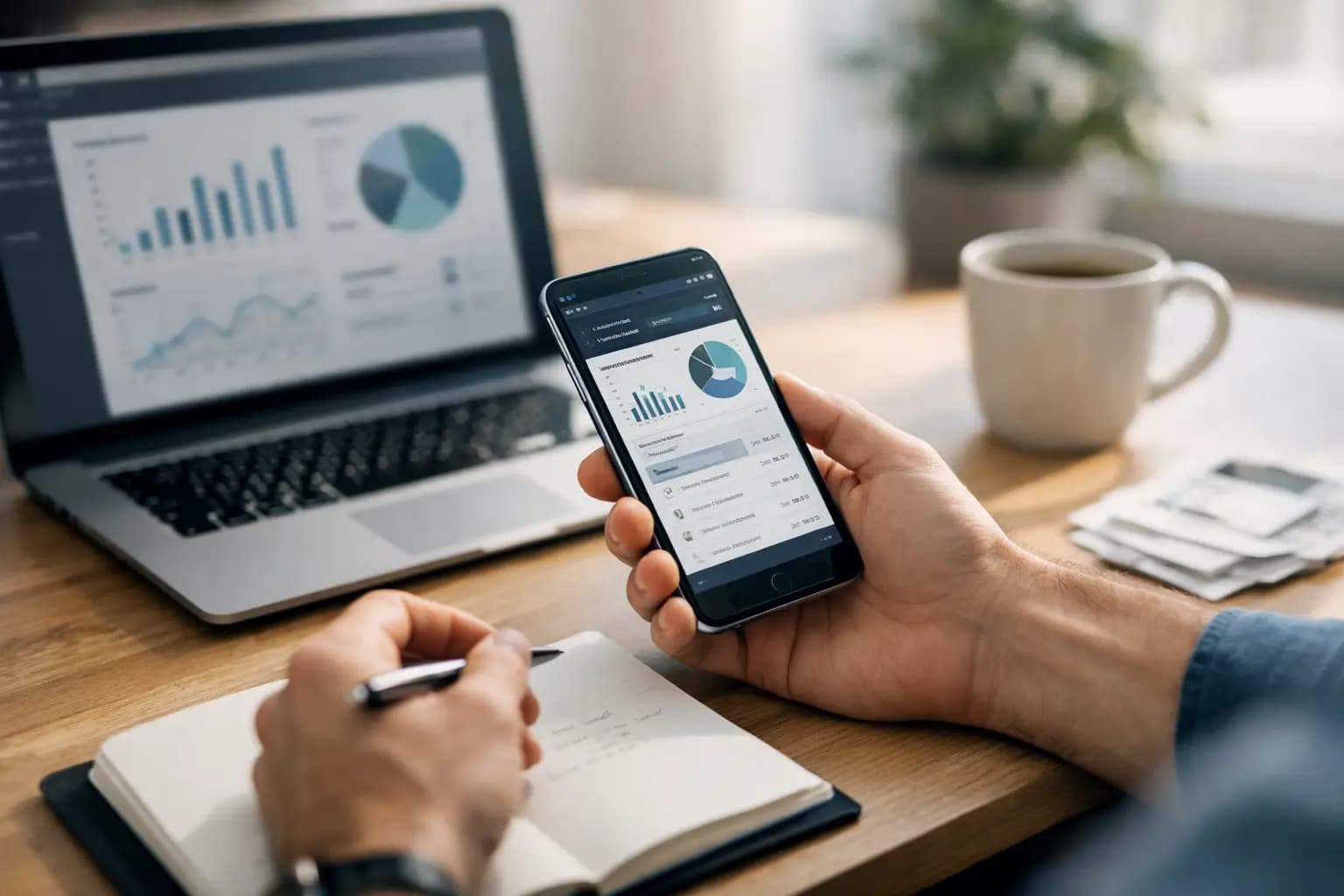
At 8:30 pm, when the tools are back in the van and you finally sit down, bookkeeping is usually the last job you want to start. That is exactly why the future of mobile bookkeeping matters. For sole trader tradespeople, it is not about flashy tech. It is about getting invoices out before you forget, capturing receipts before they disappear under the passenger seat, and keeping tax records tidy without losing another evening.
For years, bookkeeping software was built with desks in mind. Big menus, finance jargon, and too many features for people who just need to quote, invoice, track expenses and stay ready for self-assessment. That model is fading. The next wave is mobile-first, faster, and more realistic about how plumbers, electricians, builders and other trades actually work.
What the future of mobile bookkeeping really looks like
The future of mobile bookkeeping is not a smaller version of desktop accounting software. It is a different approach altogether. The best tools will be built around short gaps in the day - waiting for materials, sitting in the van, finishing a job, or doing ten minutes of admin before tea.
That changes everything. Instead of asking users to “do the books”, mobile bookkeeping will keep records moving in the background of normal work. A job gets finished, and the invoice is ready to send. A receipt gets snapped there and then, and the expense is stored before it can be lost. Money comes in, and the user can see what has been paid, what is overdue and what is still sitting in the pipeline.
That matters more than clever dashboards. Tradespeople do not need more admin theatre. They need fewer loose ends.
Mobile bookkeeping is shifting from record-keeping to job flow
Old bookkeeping software often treated invoicing, expenses and tax prep as separate chores. On site, they are all part of the same thing - getting paid properly and keeping the business under control.
This is where mobile tools are heading. Instead of seeing bookkeeping as a back-office task, better platforms are treating it as part of the job flow itself. Quote the work, turn it into an invoice, log the related costs, and keep a clean trail for tax. Done on one mobile phone, in one place, without moving between five different apps and a glovebox full of receipts.
That joined-up way of working is a big shift. It saves time, but it also reduces mistakes. When admin happens close to the job, details are fresher, invoices are more accurate, and fewer expenses get missed.
Why sole traders will drive the future of mobile bookkeeping
A lot of software companies still build for accountants first and users second. That may suit larger firms with office staff. It does not suit a self-employed roofer on a scaffold tower or a bathroom fitter finishing late.
Sole traders are pushing the market in a different direction. They want bookkeeping that works with one hand, on a phone, with no training manual. They want plain English, not accounting exams. They want a system that helps them stay compliant without acting like they are running a finance department.
That demand is shaping product design. Expect more bookkeeping tools to strip back the clutter and focus on core tasks done quickly. For UK trades, that usually means branded invoicing, receipt capture, expense tracking, simple visibility over cash flow and cleaner self-assessment records.
The brands that get this right will not win by adding more menus. They will win by removing steps.
Smarter automation, but only when it saves real time
Automation will play a bigger role in the future of mobile bookkeeping, but there is a catch. Not all automation is helpful. If it creates extra checking, odd categories or confusing prompts, it is just another job dressed up as a shortcut.
The useful kind is quieter. It pre-fills details from repeat customers. It suggests expense categories from receipt scans. It reminds users about unpaid invoices at the right moment. It turns bookkeeping into a series of quick approvals rather than long manual sessions.
For tradespeople, that is the sweet spot. You still want control, especially around tax and expenses, but you do not want to type the same information over and over. Smart mobile bookkeeping should cut repetition, not bury users under settings.
There is also a trust issue here. Many sole traders will happily use automation for admin support, but they will not want a black box making unclear decisions about their records. The best tools will keep the process visible and easy to correct.
The future of mobile bookkeeping and HMRC pressure
Tax compliance is one of the biggest reasons mobile bookkeeping is becoming more important. HMRC is not getting simpler, and sole traders cannot afford to sort a year of records in a panic.
The future of mobile bookkeeping in the UK will be shaped by this pressure. Tools will need to help users keep cleaner records as they go, not just dump data into a report at year end. That means clearer expense logging, better document capture and exports that are actually useful when self-assessment comes around.
For many tradespeople, the goal is not to become brilliant at bookkeeping. It is to avoid nasty surprises, missed claims and weekend-long catch-up sessions in January. Mobile-first software fits that need because it makes record-keeping part of everyday work rather than a separate project.
What will matter most over the next few years
Speed will matter more than feature depth. If an app takes too long to load, asks for too many fields, or hides simple tasks behind layers of menus, people will stop using it.
Clarity will matter more than finance language. Sole traders want to know what has been paid, what is overdue, what they have spent and what they might owe. They do not need a software lecture.
Mobile-first design will matter more than desktop add-ons. A system built mainly for laptops and then squeezed onto mobile will always feel clunky. The best products will start with the mobile phone because that is where the work happens.
Affordability will matter too. Tradespeople are becoming more selective about subscriptions. They will pay for software that saves time and helps them get paid faster, but they will not keep paying for bloated platforms full of features they never touch.
That is why focused tools are gaining ground. A platform like TradeTally makes sense in this shift because it is aimed at the actual admin sole traders need on site, not a watered-down version of software made for larger businesses.
What probably will not change
Even as mobile bookkeeping improves, some things will stay the same. Cash flow will still punish late invoicing. Lost receipts will still create tax headaches. And no app can fix poor habits if records are left until the end of the quarter.
That is the honest bit people sometimes skip. Software helps, but only if it is used consistently. The advantage of mobile bookkeeping is that it makes consistency more realistic. Five minutes in the van is easier to stick to than three hours at the kitchen table on a Sunday night.
There will also still be cases where extra support is needed. Some sole traders have more complex setups, VAT issues, subcontractor arrangements or growth plans that need accountant input. Mobile bookkeeping is not replacing professional advice. It is making the day-to-day side easier to manage.
So where is this heading?
The future of mobile bookkeeping is less about accounting software becoming cleverer and more about admin becoming less of a drag. The winning tools will understand that tradespeople are not looking for a finance platform. They are looking for a faster way to stay on top of work, cash and tax without carrying the whole thing in their head.
That means quicker invoicing after the job, easier expense capture on the move, better visibility over what is coming in, and tidier records when HMRC comes calling. It also means software built for vans, sites and short evenings - not for people with spare time and a second screen.
If you are a sole trader, that is the real opportunity ahead. Not more bookkeeping. Less friction.
Ready to sort your trade admin?
TradeTally gives UK sole traders invoicing, expenses, and SA103F-ready tax exports in one mobile-first app.
Start 14-day Pro trial →No card required