Builder Quote and Invoice App: What Matters
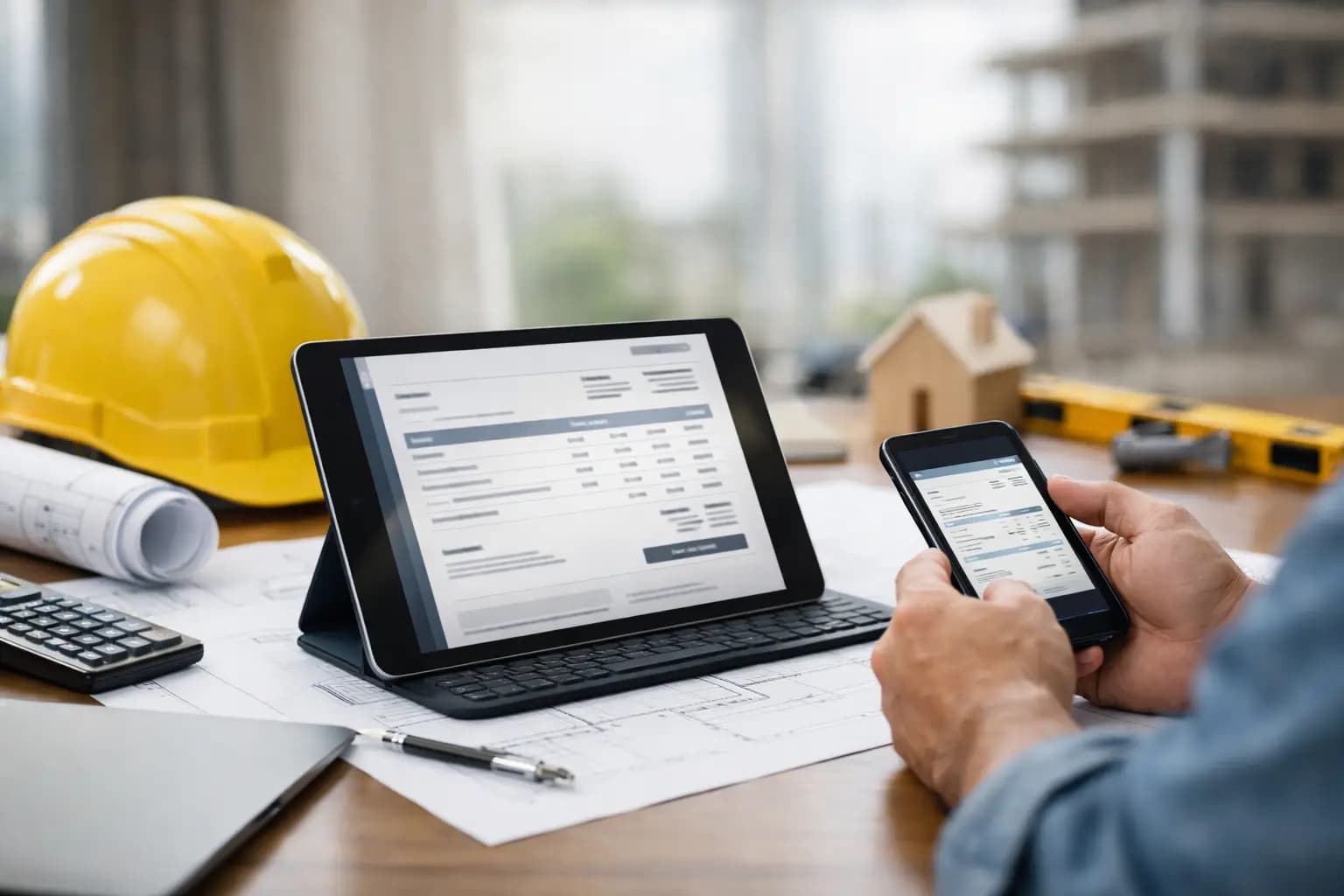
A quote scribbled in the van. An invoice sent three days late. A receipt stuffed in the glovebox and forgotten until January. That is exactly why a builder quote and invoice app earns its keep. If you are pricing jobs, chasing payment, and trying to stay on top of expenses between site visits, the right app is not a nice extra. It is how you stop admin dragging into your evenings.
For a sole trader builder, paperwork usually breaks down in the same places. Quotes go out slowly, small changes on a job do not get recorded properly, invoices wait until the weekend, and nobody has a clear view of what has been paid and what is still hanging around. Then tax season turns into a hunt through photos, bank statements, and old messages.
A decent app fixes that, but not every app built for invoicing is built for builders. That distinction matters more than most software companies admit.
What a builder quote and invoice app should actually do
Most builders do not need a full accounting platform with layers of menus and reports they will never use. They need to price work quickly, send professional paperwork from a phone, track money coming in, and keep records tidy enough for self-assessment.
That means the app has to work in the gaps of the working day. It should let you build and send a quote while you are still on site. It should turn that quote into an invoice without making you type the same details twice. It should show you what is outstanding without making you dig through a dashboard designed for office teams.
The basics are obvious. You need quotes, invoices, customer records, and payment tracking. The useful difference is in how little effort it takes to use them. If sending an invoice still feels like a chore, you will put it off. Most late invoicing is not about laziness. It is about friction.
Why generic invoicing apps often fall short
A lot of invoicing tools are built for freelancers who sell time from a laptop. Builders work differently. Jobs change halfway through. Materials get added. Labour stretches by another day. Clients want a revised price quickly, not after you get home and open a spreadsheet.
That is where generic tools can become a nuisance. They may handle invoices well enough, but quoting can be clunky. They may have accounting features piled on top, but no simple way to manage work in progress. Some expect you to think like a bookkeeper when what you really need is a faster way to get paid.
There is also the mobile problem. Plenty of software claims to be mobile-friendly. That can mean the buttons technically fit on a phone screen while still being awkward to use with one hand in a van or outside a merchant. A builder app should feel built for short bursts, not long sessions.
The features worth paying for
The best builder quote and invoice app is usually the one that removes repeat admin. That starts with quote creation. You want to save common line items, pull customer details through automatically, and send a professional quote in minutes. If the client approves, turning that into an invoice should be straightforward.
Branded paperwork matters more than some sole traders think. A clean, proper quote looks more credible than a rough message or a basic template. It sets the tone early and can help reduce back-and-forth. The same goes for invoices. A clear invoice with payment terms, due dates, and business details makes it easier for clients to pay promptly and harder for them to claim they did not have what they needed.
Expense tracking matters too. Builders do not just need money in. They need a clear picture of money out. Fuel, tools, materials, parking, waste disposal, insurance, and van costs add up quickly. If your app handles quotes and invoices but leaves expenses scattered across receipts and card statements, you are still carrying half the admin problem.
Receipt capture on mobile is one of those features that sounds small until you use it properly. Snap it there and then, file it to the right category, and move on. Leave it until later and it turns into a pile.
Cash flow is the real issue
Most builders do not go looking for software because they love admin. They go looking when cash flow gets messy. Quotes are out, jobs are done, but payment timing is all over the place and there is no easy way to see what is due.
A good app gives you a live view of that pipeline. You can see what has been quoted, what has been approved, what has been invoiced, and what is overdue. That helps with practical decisions. Can you order materials for the next job? Do you need to chase a client today? Have you actually been paid for that bathroom fit from last month?
This is where simple beats clever. You do not need ten reporting tabs. You need a clear picture of what is going on in the business without spending half an hour interpreting it.
Tax matters, even if you hate thinking about it
Most sole trader builders are not trying to become accountants. They just do not want tax time turning into a mess. That is another reason to choose a builder quote and invoice app carefully.
If the app also helps you keep expenses in order and export the figures you need for self-assessment, it saves a lot of grief later. This is not about making tax enjoyable. It is about avoiding the late-night scramble through receipts, old banking apps, and half-finished notes.
For UK sole traders, that practical link between day-to-day admin and HMRC records is more useful than lots of high-end accounting features. The best setup is one where the quote, the invoice, the receipt, and the tax record all sit in the same working routine.
What to check before you choose
Price matters, but not in isolation. A cheaper app is not cheaper if it wastes your time or forces you into another system for expenses and tax records. At the same time, there is no point paying for broad accounting software if you only use a small fraction of it.
Look at how fast you can create a quote from your phone. Check whether you can duplicate common jobs or line items. See how invoices are tracked once they are sent. Make sure expenses are easy to capture on the move. If the app feels like something you would only use at a desk, it is probably the wrong fit.
It is also worth thinking about the kind of work you do. If most of your jobs are small and high volume, speed matters more than deep customisation. If your jobs are larger and often change mid-project, flexibility in updating quotes and keeping track of staged invoicing may matter more. There is no perfect app for every builder. There is only the one that matches how you actually work.
Why purpose-built usually wins
This is the trade-off. Broader accounting platforms can offer more features overall. But more is not always better when those features slow down the tasks you do every day. For a sole trader builder, the best tool is often the one that handles quoting, invoicing, expenses, and tax prep cleanly without trying to turn you into a finance manager.
That is the thinking behind mobile-first tools aimed at tradespeople. They are built for vans, sites, and short evenings. Not accounting exams. If you can send paperwork straight after a visit, capture a receipt before it disappears, and see at a glance what is overdue, you are far more likely to stay on top of the business.
TradeTally is one example of that approach, focusing on quoting, invoicing, expense tracking, and self-assessment export for UK sole traders without the cost or clutter of larger platforms.
The right app should change your habits
This is the real test. A good app does not just store your paperwork. It changes when you do it. Quotes go out on the same day. Invoices get sent when the job is done. Receipts are logged on the spot. Payment chasing starts earlier because you can actually see what is late.
That matters more than any feature comparison table. Better habits mean quicker payment, fewer missed expenses, and less stress when tax deadlines come round. It also means fewer evenings wasted on catch-up admin when you would rather switch off.
If you are choosing a builder quote and invoice app, look past the sales talk and ask a simpler question: will this make it easier to run the job side and the money side at the same time? If the answer is yes, you will feel the difference long before year end.
Ready to sort your trade admin?
TradeTally gives UK sole traders invoicing, expenses, and SA103F-ready tax exports in one mobile-first app.
Start 14-day Pro trial →No card required